Source organic antibacterial pet ear cleaner for dogs, cats, and puppies
Compare 30 listings of organic antibacterial pet ear cleaner from verified manufacturers. Buyers can evaluate specifications, pricing, and customization options for canine and feline ear care needs.
Key considerations
Products List


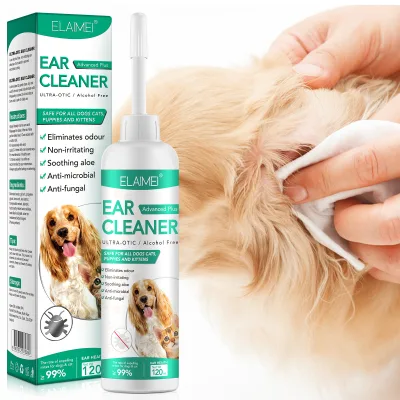
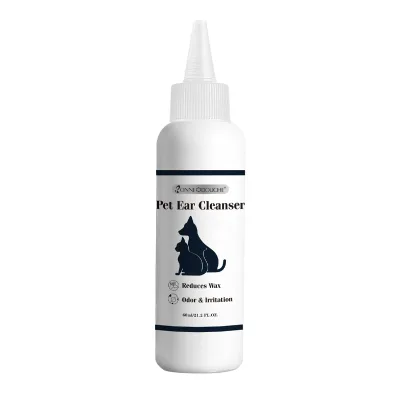
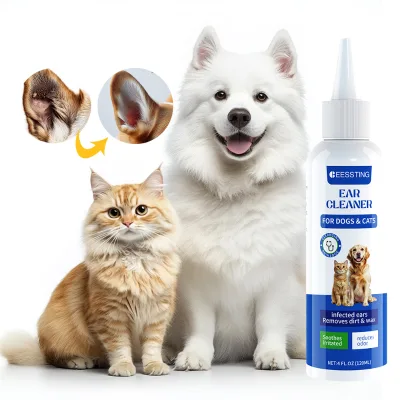

Comprehensive Sourcing Guide
Strategic Sourcing Guide for Organic Antibacterial Pet Ear Cleaners
Understanding Product Definitions and Core Specifications
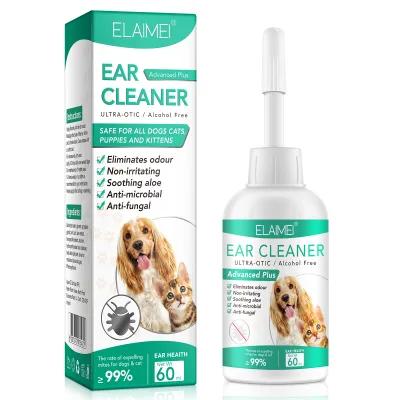
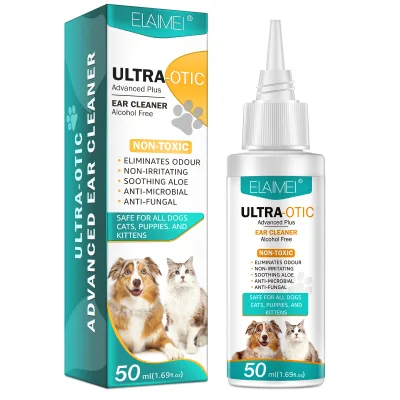
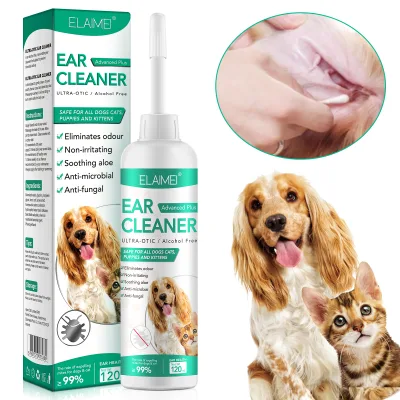
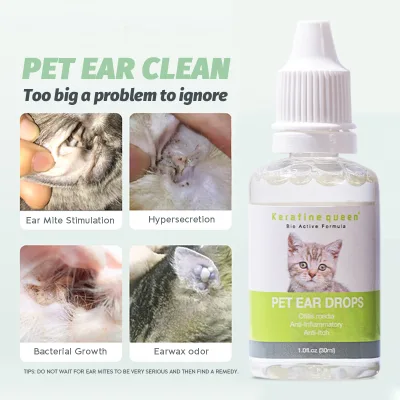
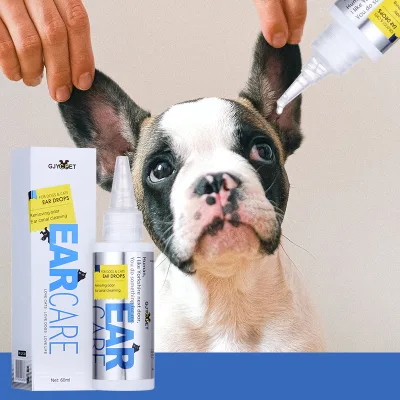
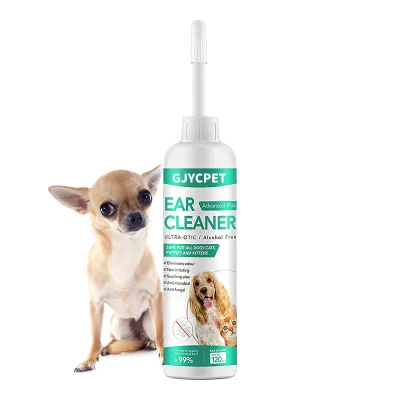
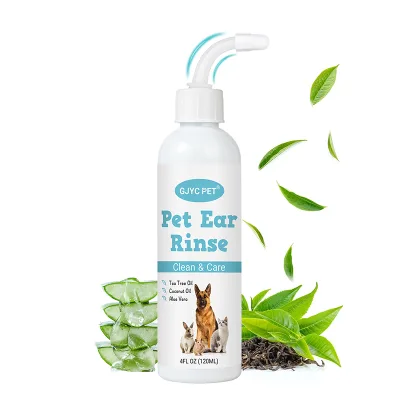
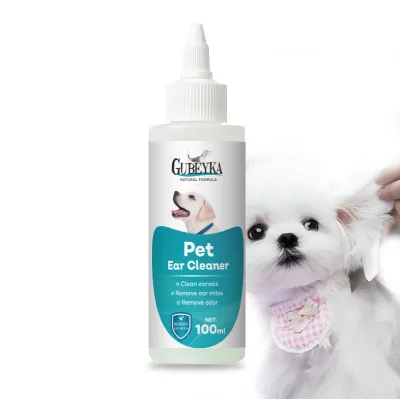
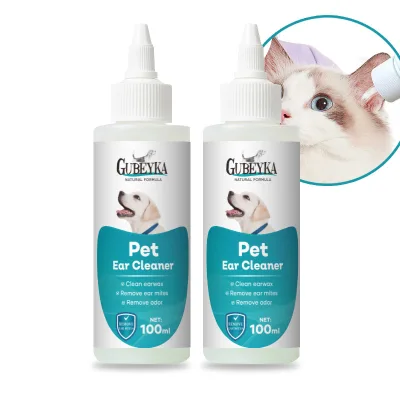
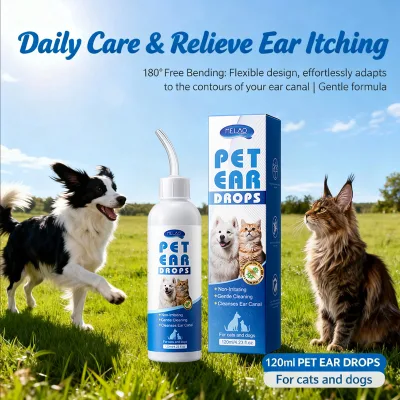
When sourcing organic antibacterial pet ear cleaners, buyers must first distinguish between product formats and active formulations. The market presents a mix of liquid solutions and pre-moistened wipes, each serving distinct operational needs in veterinary clinics and home care. Based on available market data, the primary product categories include liquid ear cleaners and ear cleaning wipes. The liquid variants are often characterized by a specific pH balance, typically observed in the range of 6.5 to 7.0, which is critical for maintaining the natural acidity of the pet's ear canal without causing irritation.
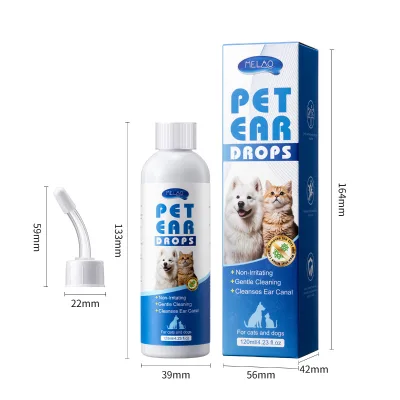
The physical specifications of these products vary significantly depending on the intended application. For liquid solutions, the product capacity is frequently standardized at 60 ml per bottle, though larger bulk packaging options exist for professional use. The weight of individual units, such as bottles, can be observed around 170g, which influences shipping calculations and logistics planning. In contrast, the wipe category offers a different set of dimensions. For instance, specific glove-style or wipe products may have dimensions recorded as 52.532.537.5cm, indicating a specialized design for manual application.
Packaging is another critical specification that affects product integrity and shelf life. While some products are supplied in individual bags, others utilize carton or box packaging for bulk distribution. The standard packaging configuration often includes 50 pieces per bag for wipes, or specific bottle counts like 120 bottles per shipment unit. Buyers should verify whether the packaging is waterproof, as many standard ear cleaning solutions are not waterproof and require dry storage conditions to prevent degradation of the active ingredients. The fragrance profile is also a key differentiator; while some products are marketed as having a plant fragrance or a specific tasteless profile to encourage pet compliance, others offer OEM customization where the scent can be tailored to brand identity.
Technical Composition and Functional Attributes
The efficacy of an organic antibacterial pet ear cleaner relies heavily on its ingredient composition and functional claims. The core formulation for many liquid products includes deionized water and butylene glycol as primary base ingredients. These components serve as solvents and humectants, ensuring the solution remains stable and effective against bacterial growth. The "organic" designation often implies the use of plant-based ingredients, which aligns with the observed "Plant Fragrance" attribute in certain product listings. However, buyers must exercise caution when interpreting the term "organic" without third-party verification, as the presence of plant-derived scents does not automatically guarantee the entire formulation meets organic certification standards.
Functionally, these products are designed for natural cleansing. The mechanism of action typically involves breaking down wax, debris, and moisture that can lead to infections. The product is suitable for all dogs and cats, making it a versatile solution for veterinary practices and pet owners alike. The application method is predominantly manual, requiring the user to apply the liquid or wipe directly to the ear canal. This manual operation type necessitates clear instructions on dosage and frequency to prevent over-cleaning, which can strip the ear of natural protective oils.
The customization capabilities of the supply chain are extensive. Suppliers often offer OEM (Original Equipment Manufacturer) and ODM (Original Design Manufacturer) services, allowing buyers to customize the formula, packaging, and branding. This includes the ability to add custom logos and tailor the packaging to specific market requirements. The "Whether to Increase" attribute suggests that production capacity can be scaled up to meet demand, with some facilities reporting a production ability of up to 100,000 bottles per day. This scalability is a vital consideration for buyers planning large-scale distribution or seasonal campaigns.
Regulatory Compliance and Certification Verification
Navigating the regulatory landscape for pet care products requires rigorous verification of certifications. In the international market, compliance is often demonstrated through a suite of recognized documents. Common certifications observed in the supply chain include MSDS (Material Safety Data Sheet), FDA registration, SGS testing reports, CE marking, and ISO standards. These documents serve as evidence that the product has undergone safety testing and meets specific manufacturing quality standards.
The MSDS is particularly crucial as it details the chemical composition and safety handling procedures for the product. For buyers exporting to regions with strict chemical regulations, the presence of an FDA registration indicates that the product meets the safety standards of the United States Food and Drug Administration, even if the product is not a drug. SGS certification provides an independent third-party verification of quality and safety, while CE marking suggests compliance with European health, safety, and environmental protection standards. ISO certification, typically ISO 9001, indicates that the manufacturer follows international quality management system standards.
Buyers must verify that these certifications are current and applicable to the specific product model being sourced. The certification status should not be assumed based on general supplier claims; instead, it must be validated against the specific batch or product line. The origin of the product also plays a role in regulatory compliance. Many products originate from China, with specific manufacturing hubs located in Shandong Province, including Linyi City. Buyers should ensure that the supplier's location aligns with the regulatory requirements of the destination market, as local manufacturing standards can vary significantly.
Cost Drivers and Procurement Economics
The pricing structure for organic antibacterial pet ear cleaners is influenced by several dynamic factors, including customization levels, order volume, and packaging complexity. The observed price range in the market spans from $0.32 to $4.62 per unit, reflecting the diversity in product types and quality tiers. Lower prices typically correspond to basic, non-customized liquid solutions or wipes with standard packaging. Higher price points are associated with premium formulations, custom branding, or specialized packaging such as boxes or cartons.
Minimum Order Quantity (MOQ) is a significant cost driver. The market exhibits a wide MOQ range, from as low as 1 unit for sampling to 20,000 units for large-scale production runs. A common MOQ for established orders is 1,000 units, which balances the supplier's production efficiency with the buyer's inventory needs. Buyers should negotiate MOQ terms based on their sales velocity and storage capacity. For new product launches, seeking a lower initial MOQ can reduce financial risk, even if the per-unit cost is slightly higher.
Lead times and shipping options also impact the total cost of ownership. Sample delivery is typically available within 7 days, allowing for rapid product evaluation. For bulk orders, the standard delivery time ranges from 5 to 15 days, depending on the production schedule and logistics arrangements. Flexible shipping options are often available, enabling buyers to choose between air freight for speed or sea freight for cost efficiency. The choice of packaging, such as moving from simple bags to custom boxes, can increase the unit cost but may reduce damage rates during transit, ultimately affecting the total landed cost.
Supplier Evaluation and Operational Capabilities
Evaluating a supplier for pet ear cleaner production requires a multi-dimensional assessment of their capabilities. The first step is verifying the supplier's production capacity and processing methods. A robust supplier should demonstrate the ability to handle both OEM and ODM processes, offering flexibility in formula development and packaging design. The production ability of 100,000 bottles per day indicates a high-volume manufacturing capability, which is essential for meeting large order demands without compromising quality.
The supplier's location is another critical factor. With manufacturing hubs in Shandong Province, specifically Linyi City, buyers can expect a concentration of pet care product manufacturers in this region. This concentration often leads to a competitive supply chain ecosystem, with access to raw materials and specialized logistics. However, buyers should verify the specific factory location to ensure it aligns with their ethical sourcing policies and quality expectations.
Quality control processes should be transparent and documented. Buyers should request samples to test the product's physical attributes, such as pH balance, fragrance, and texture. The sample quality should match the bulk production standards. Additionally, the supplier's ability to provide free samples is a positive indicator of confidence in their product quality. The customization options, including the ability to add custom logos and packaging, should be clearly defined to avoid misunderstandings during the production phase.
Quality Control Protocols and Long-Term Procurement
Implementing a robust quality control (QC) protocol is essential for maintaining product consistency and brand reputation. Buyers should establish clear acceptance criteria for key attributes such as pH levels, ingredient composition, and packaging integrity. Regular audits of the supplier's production line can help identify potential issues before they affect the final product. The use of third-party inspection services, such as SGS, can provide an additional layer of verification, ensuring that the product meets the agreed-upon specifications.
Long-term procurement considerations involve building a sustainable relationship with the supplier. This includes negotiating favorable terms for repeat orders, securing consistent supply during peak demand periods, and collaborating on product improvements. The ability to customize the product continuously allows buyers to adapt to market trends and consumer preferences. For example, if there is a growing demand for specific organic ingredients, the supplier should be able to adjust the formula accordingly.
Buyers should also consider the environmental impact of their procurement choices. The use of eco-friendly packaging and sustainable manufacturing practices can enhance the brand's image and appeal to environmentally conscious consumers. The "Plant Fragrance" attribute suggests a potential alignment with natural and organic trends, which can be leveraged in marketing strategies.
Comparative Analysis of Product Formats
To assist buyers in selecting the right product format, the following table compares the key attributes of liquid ear cleaners and ear cleaning wipes based on observed market data.
| Attribute | Liquid Ear Cleaner | Ear Cleaning Wipes |
|---|---|---|
| Primary Form | Liquid | Solid (Pre-moistened) |
| Typical Capacity | 60 ml per bottle | Variable (e.g., 50 pieces/bag) |
| Application Method | Manual pouring/dropping | Manual wiping |
| Packaging Type | Bottle, Box, Carton | Bag, Box |
| Weight | Approx. 170g per bottle | Varies by count |
| Waterproof | Not Waterproof | Not Waterproof |
| Customization | High (Formula, Logo, Pack) | High (Logo, Pack, Fragrance) |
| Typical MOQ | 1,000 units | 1,000 units |
| Key Ingredients | Deionized Water, Butylene Glycol | Deionized Water, Butylene Glycol |
| Fragrance Options | Plant Fragrance, Tasteless, OEM | Plant Fragrance, Tasteless, OEM |
This comparison highlights that while both formats share similar ingredient bases and customization capabilities, they differ significantly in application and packaging. Liquid cleaners are often preferred for deep cleaning and treatment, while wipes are ideal for quick maintenance and convenience. Buyers should select the format that best aligns with their target customer's usage habits and distribution channels.
Conclusion and Strategic Recommendations
Sourcing organic antibacterial pet ear cleaners requires a balanced approach that combines technical knowledge, regulatory awareness, and strategic supplier management. Buyers must prioritize verification of certifications, such as MSDS, FDA, and ISO, to ensure product safety and compliance. Understanding the nuances of product specifications, including pH levels, packaging, and ingredient composition, is essential for selecting the right product for the market.
The cost structure is influenced by MOQ, customization, and logistics, requiring careful negotiation to optimize the total cost of ownership. Building a long-term relationship with a capable supplier who offers flexible OEM/ODM services will enable buyers to adapt to market changes and maintain a competitive edge. By adhering to rigorous quality control protocols and leveraging the available customization options, buyers can successfully introduce high-quality pet ear cleaning products that meet the diverse needs of pet owners and veterinary professionals.
FAQs
What certifications do organic antibacterial pet ear cleaners typically hold?
These products commonly hold certifications including MSDS, FDA, SGS, CE, and ISO. Buyers should verify that these documents are current and apply to the specific product model being sourced to ensure regulatory compliance.
How can buyers customize the packaging and branding for these cleaners?
Suppliers offer OEM and ODM services allowing for custom logos, packaging designs, and formula adjustments. This includes options for custom boxes or cartons to meet specific market requirements and brand identity needs.
What is the typical production capacity for organic antibacterial pet ear cleaner manufacturers?
Manufacturing facilities often report a production ability of up to 100,000 bottles per day. This high capacity ensures that large-scale orders can be fulfilled without compromising quality or delivery schedules.
Can buyers obtain samples before placing a bulk order for these products?
Yes, free samples are available with a delivery time of within 7 days. This allows buyers to evaluate product attributes like pH balance and fragrance before committing to a larger purchase volume.
What is the standard MOQ for ordering organic antibacterial pet ear cleaners?
The minimum order quantity is typically 1,000 units for established orders. However, the market range extends from 1 unit for sampling up to 20,000 units for large-scale production runs.
Which locations are known for manufacturing these pet ear cleaning products?
Many products originate from China, specifically from manufacturing hubs in Shandong Province. Specific locations include Linyi City, where a concentration of pet care product manufacturers operates.